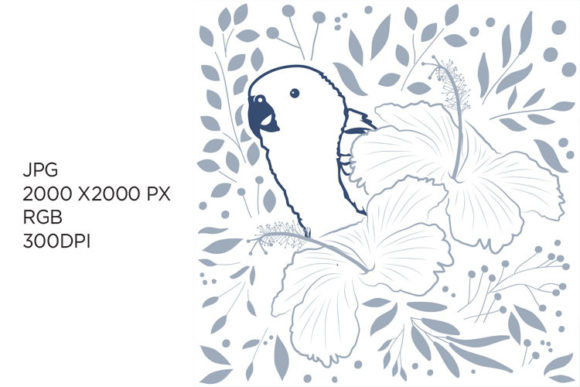
Exploring the Versatility of PARROT and JPG in Digital Graphics
In the world of digital graphics, file formats like PARROT and JPG play a crucial role in how we create, share, and use visual content. While these terms might not be as familiar as PNG or JPEG, they are essential for various applications ranging from wall art to graphic design. Understanding their significance can help you make informed decisions when working with digital images.
What is PARROT?
The term "PARROT" might seem unusual in the context of digital graphics, but it refers to a specific type of image format used in certain creative and technical fields. Unlike standard image formats such as JPG or PNG, PARROT is often associated with high-resolution, detailed visuals that require precise color representation and clarity. This format is particularly useful for artists and designers who need to maintain the integrity of their work across different platforms and mediums.
One key feature of PARROT is its ability to support an RGB color palette, which means it can display a wide range of colors. This makes it ideal for projects where color accuracy is paramount, such as in print media or digital displays. The size of the image, typically 27.78x27.78 inches, ensures that the details remain sharp even when viewed up close or at larger scales.
Understanding JPG: A Common Image Format
JPG, or Joint Photographic Experts Group, is one of the most widely used image formats on the internet. It is known for its ability to compress large images without significant loss of quality, making it a popular choice for web developers, photographers, and everyday users. The resolution of 300 dpi (dots per inch) is commonly used for high-quality prints, ensuring that images look crisp and clear when printed on paper or other materials.
JPG files are especially useful for photographs and complex images with many colors and gradients. However, they do not support transparency, which can be a limitation for certain design projects. Despite this, their widespread compatibility and efficient compression make them a go-to format for many digital creators.
Applications of PARROT and JPG in Creative Projects
Both PARROT and JPG have unique applications in the realm of digital graphics. For instance, PARROT's high-resolution capabilities make it suitable for creating wall art, handmade craft items, and stationery. Its ability to maintain detail at large sizes ensures that these items look professional and visually appealing. On the other hand, JPG's versatility allows it to be used in a variety of contexts, including invitations, announcements, and party decor.
When it comes to graphic and web design, both formats can be used effectively. JPG is often preferred for website backgrounds and banners due to its smaller file size and compatibility with most browsers. Meanwhile, PARROT may be used for more intricate designs that require higher detail and color accuracy, such as logos or illustrations.
Choosing the Right Format for Your Project
Selecting between PARROT and JPG depends largely on the specific needs of your project. If you're working on a piece that requires high-resolution output and precise color representation, PARROT may be the better choice. However, if you're looking for a format that is easy to use and widely supported, JPG is likely the way to go.
Consider the following factors when deciding which format to use:
- Resolution: PARROT is ideal for high-resolution projects, while JPG is suitable for standard resolutions.
- Color Accuracy: PARROT supports an RGB color palette, making it perfect for color-critical tasks.
- File Size: JPG offers efficient compression, resulting in smaller file sizes compared to PARROT.
- Compatibility: JPG is universally supported, whereas PARROT may require specific software or tools.
Common Misconceptions About Image Formats
There are several misconceptions about image formats that can lead to confusion among users. One common misunderstanding is that all high-resolution images are created equal. In reality, the format you choose can significantly impact the quality and usability of your work. For example, while a JPG image may appear sharp on a screen, it may not hold up as well when printed at a large size.
Another misconception is that PARROT is a lesser-known or less reliable format. In truth, PARROT is designed for specific use cases where high-quality output is essential. It is not meant to replace other formats but to complement them in specialized scenarios.
How PARROT and JPG Fit Into Modern Life
In today's digital age, the importance of image formats like PARROT and JPG cannot be overstated. From social media posts to professional presentations, these formats are integral to how we communicate and express ourselves visually. Whether you're designing a poster for a local event or creating a digital portfolio, understanding the strengths and limitations of each format can help you achieve better results.
For businesses, using the right image format can enhance brand visibility and customer engagement. High-quality images, whether in the form of JPGs or PARROT files, can make a significant difference in how your products or services are perceived. In education, students and teachers can benefit from using these formats to create engaging visual aids that support learning and comprehension.
Conclusion
PARROT and JPG are two distinct image formats that serve different purposes in the world of digital graphics. While JPG is widely used for its efficiency and compatibility, PARROT offers a high-resolution alternative that is ideal for projects requiring precision and detail. By understanding the strengths and applications of each format, you can make informed decisions that enhance the quality and effectiveness of your visual creations.
Whether you're a beginner exploring the basics of digital design or an experienced professional looking to refine your skills, taking the time to learn about these formats can open up new possibilities for your work. As technology continues to evolve, staying informed about the latest developments in image formats will ensure that you remain competitive and adaptable in an ever-changing digital landscape.