Mermaids: A Versatile Digital Graphic for Creative Workflows
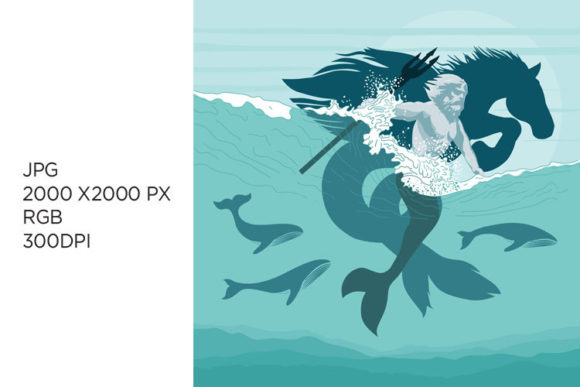
In the world of digital design and creative production, having access to high-quality visual assets is essential. One such asset that has gained popularity among designers, artists, and content creators is Mermaids, a digital graphic element that can be used across a wide range of applications. With its 27.78x27.78 inch size, 300 dpi resolution, and RGB color palette, Mermaids offers a level of detail and clarity that makes it ideal for both print and digital projects.
Whether you're working on wall art, handmade crafts, stationery, or web design, Mermaids provides a flexible foundation that can be adapted to various creative needs. Its versatility allows it to fit into different stages of a project, from initial concept development to final execution.
Understanding Mermaids in the Creative Process
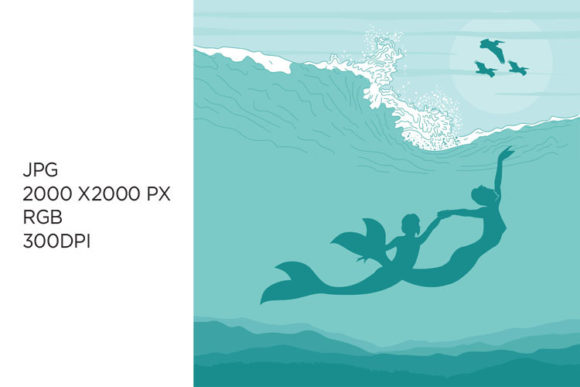
Mermaids is more than just an image; it's a tool that can enhance your creative workflow. At its core, Mermaids represents a stylized representation of a mermaid, often featuring intricate details that make it visually engaging. This graphic element can serve as a source of inspiration, a background element, or a focal point depending on the project's requirements.
For professionals in fields like graphic design, marketing, and content creation, Mermaids can be integrated into the planning phase of a project. By incorporating this element early, you can establish a visual theme that aligns with your creative vision. It also helps in setting expectations for the final output, ensuring consistency across all deliverables.
Using Mermaids in Different Project Phases
The application of Mermaids varies depending on the stage of a project. During the pre-production phase, it can be used as a reference for color schemes, composition, or thematic elements. For instance, if you're designing a set of invitation cards for a themed party, Mermaids can help you visualize how the final product will look before any actual design work begins.
During the execution phase, Mermaids can be directly incorporated into designs. Its high-resolution format ensures that it maintains quality when scaled up or down. This makes it suitable for use in both large-format prints, such as posters or banners, and smaller items like business cards or social media graphics.
After the project is completed, Mermaids can still play a role in quality control and revision. By reviewing how the graphic was used in the final design, you can assess its effectiveness and make adjustments if necessary. This is particularly useful in collaborative environments where multiple stakeholders are involved in the design process.
Integration with Other Tools and Resources
Mermaids works well with other design tools and resources, making it a valuable addition to any creative toolkit. When paired with software like Adobe Photoshop, Illustrator, or Canva, it can be easily edited, layered, or combined with other elements to create unique compositions.
For those working on web design projects, Mermaids can be optimized for different screen sizes and resolutions. Its RGB color palette ensures that it displays consistently across devices, which is crucial for maintaining a professional appearance online. Additionally, it can be used in conjunction with typography, icons, and other visual elements to create cohesive and visually appealing layouts.
In the context of print production, Mermaids' high DPI resolution ensures that it looks sharp and clear when printed. This is especially important for projects that require precise color matching and detailed imagery, such as brochures, packaging, or promotional materials.
Practical Implementation Tips
To get the most out of Mermaids, consider the following implementation tips:
- Plan ahead: Before using Mermaids in a project, define its purpose and how it will contribute to the overall design. This helps avoid unnecessary revisions later on.
- Experiment with placement: Try different positions and sizes within your design to see how Mermaids interacts with other elements. This can lead to more dynamic and engaging visuals.
- Use layering techniques: Combine Mermaids with other graphics or textures to add depth and dimension to your work. This is especially effective in digital illustrations or mixed-media projects.
- Optimize for different formats: If you're using Mermaids for both print and digital purposes, make sure to adjust its settings accordingly. For example, convert it to CMYK if it's intended for print, and keep it in RGB for web use.
- Document your workflow: Keep track of how and where Mermaids was used in your projects. This can help streamline future workflows and ensure consistency across different pieces of work.
Workflow Examples and Use Cases
Mermaids can be applied in a variety of real-world scenarios. Here are a few examples:
- Event invitations: Use Mermaids as a background or accent in wedding, birthday, or corporate event invitations. Its elegant design adds a touch of whimsy and sophistication.
- Wall art: Print Mermaids on canvas or framed paper to create eye-catching wall art. It's perfect for home decor, office spaces, or retail environments.
- Stationery sets: Incorporate Mermaids into business cards, letterheads, or note cards. This can help establish a unique brand identity and make your materials stand out.
- Party decorations: Use Mermaids in balloons, banners, or tableware for themed parties. Its vibrant colors and detailed design make it a great choice for creating immersive experiences.
- Graphic design projects: Add Mermaids to website headers, social media posts, or advertisements. It can serve as a visual anchor that draws attention and reinforces your message.
Factors to Consider for Long-Term Use
When considering the long-term use of Mermaids, there are several factors to keep in mind:
- Preparation: Ensure that you have the right file formats and resolutions for different applications. This reduces the need for rework and saves time in the long run.
- Compatibility: Check that Mermaids works well with the software and platforms you're using. This includes verifying file types, color profiles, and resolution settings.
- Usability: Evaluate how easy it is to edit and manipulate Mermaids in your workflow. A user-friendly graphic can significantly improve productivity.
- Organization: Store Mermaids in a structured manner so that it's easy to locate and reuse in future projects. This is especially important for teams or businesses with multiple designers.
- Consistency: Maintain a consistent approach to using Mermaids across all projects. This helps build a cohesive visual language and strengthens your brand identity.
- Quality control: Regularly review how Mermaids is being used to ensure that it meets your standards. This includes checking for clarity, accuracy, and alignment with your creative goals.
Conclusion
Mermaids is a powerful digital graphic that can enhance a wide range of creative projects. Its high resolution, detailed design, and versatile application make it a valuable asset for designers, marketers, and content creators. By understanding how to integrate it into different stages of a project, you can unlock new possibilities and elevate the quality of your work.
Whether you're working on print materials, digital designs, or handmade crafts, Mermaids offers a flexible and reliable solution that fits into modern workflows. With proper planning, organization, and execution, it can become an essential part of your creative toolkit.