Buddhism and Meditation: A Path to Inner Peace and Clarity
Buddhism and meditation are deeply intertwined practices that have been explored for centuries by individuals seeking inner peace, mental clarity, and spiritual growth. Rooted in the teachings of Siddhartha Gautama, the Buddha, Buddhism offers a philosophical and ethical framework that emphasizes mindfulness, compassion, and the pursuit of enlightenment. Meditation, as a core practice within Buddhism, serves as a tool for cultivating awareness and understanding of the self and the world.
While many modern interpretations of meditation exist, its origins in Buddhist tradition provide a unique approach that differs from secular or commercialized forms. This distinction is important when considering how to integrate these practices into daily life or when exploring creative resources such as clipart and vector graphics inspired by Buddhist themes.
Understanding Buddhism and Meditation
Buddhism is more than a religion; it is a way of life that encourages individuals to explore the nature of suffering and the path to liberation from it. Central to this philosophy is the concept of impermanence, the idea that all things are transient and that attachment to them leads to dissatisfaction. Meditation, in this context, is not merely a relaxation technique but a disciplined practice aimed at developing insight and wisdom.
There are various types of meditation practiced in Buddhist traditions, including mindfulness meditation (vipassana), loving-kindness meditation (metta), and breath-focused meditation. Each method has its own purpose and approach, but they all share the goal of fostering a deeper connection with the present moment and reducing mental distractions.
Unlike some contemporary approaches that focus solely on stress reduction, Buddhist meditation often includes ethical considerations and a broader philosophical perspective. This makes it a distinct choice for those looking for a holistic practice rather than a quick fix for anxiety or mental fatigue.
Buddhism and Meditation Compared to Other Practices
When comparing Buddhism and meditation to other wellness or spiritual practices, several differences emerge. For example, while yoga is often associated with physical postures and flexibility, it can also incorporate meditative elements. However, the primary focus of yoga may vary depending on the style, such as Hatha, Vinyasa, or Kundalini, which may not always align with the philosophical depth of Buddhist meditation.
Similarly, mindfulness-based stress reduction (MBSR) and other secular mindfulness programs have gained popularity in recent years. These approaches often draw from Buddhist principles but are adapted for a general audience without the religious or philosophical context. While they offer practical benefits, they may lack the deeper exploration of consciousness and ethical living found in traditional Buddhist practices.
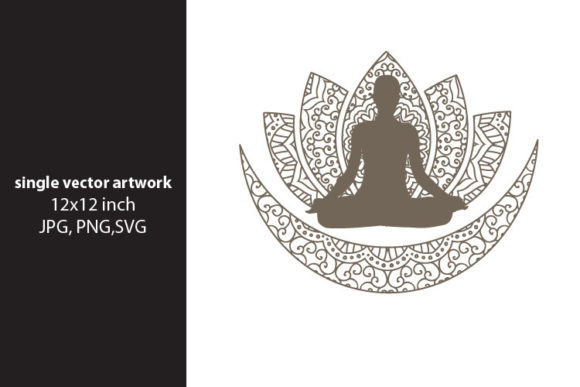
For individuals interested in visual representation of these concepts, clipart and vector graphic sets inspired by Buddhism and meditation can serve as valuable tools. These designs often include symbols such as the lotus, the wheel of Dharma, and meditating figures, which can be used in a variety of creative projects.
Strengths and Tradeoffs of Buddhism and Meditation
The strengths of Buddhism and meditation lie in their ability to foster self-awareness, emotional resilience, and a sense of purpose. Regular practice can lead to improved focus, reduced stress, and a greater capacity for empathy. These benefits are particularly appealing to individuals who seek long-term personal development rather than short-term solutions.
However, there are tradeoffs to consider. The commitment required to fully engage with Buddhist teachings and meditation practices can be significant. Unlike some alternative methods that offer quick results, Buddhist meditation often requires time, patience, and a willingness to confront difficult emotions and thoughts.
Additionally, the cultural and historical context of Buddhism may not resonate with everyone. Some individuals may find the philosophical aspects challenging or unfamiliar, making it less accessible compared to more secular or flexible alternatives.
When Buddhism and Meditation Are the Right Choice
Buddhism and meditation may be the right choice for individuals who value introspection, ethical living, and a structured approach to personal growth. Those who are interested in exploring the relationship between mind and body, or who want to develop a deeper understanding of their own thoughts and emotions, may find Buddhist practices particularly beneficial.
For example, someone looking to create meaningful art or design that reflects spiritual values might find inspiration in Buddhist clipart and vector graphics. These elements can be used in logos, wall art, stationery, or digital content, offering a visually rich way to express ideas related to mindfulness and peace.
Similarly, individuals involved in creative fields such as graphic design, jewelry making, or handmade crafts may find that incorporating Buddhist imagery adds a layer of meaning and authenticity to their work. This can be especially valuable when targeting audiences who appreciate symbolic and thoughtful design.
When Other Options May Be More Suitable
While Buddhism and meditation offer a rich and comprehensive approach, they may not be the best fit for everyone. Individuals who prefer a more action-oriented or goal-focused practice may find other methods more appealing. For instance, cognitive-behavioral techniques or guided visualization exercises can provide immediate relief from stress without requiring a deep philosophical commitment.
Moreover, those who are not interested in spiritual or religious frameworks may find the terminology and concepts of Buddhism challenging to navigate. In such cases, secular mindfulness programs or other wellness practices could be more appropriate options.
It's also worth noting that the availability of resources and community support can influence the effectiveness of any practice. While Buddhist meditation has a long history and global following, access to teachers, retreats, or local groups may vary depending on location and personal circumstances.
Practical Applications and Creative Opportunities
The use of Buddhist and meditation-themed clipart and vector graphics extends beyond spiritual or meditative contexts. These designs can be integrated into a wide range of projects, including branding, educational materials, and artistic expressions. For example, a designer creating a line of eco-friendly products might use Buddhist symbols to convey values such as simplicity, harmony, and sustainability.
Printed paper items, invitations, and stationery can also benefit from these visual elements, offering a subtle yet meaningful way to communicate a message of mindfulness and balance. Similarly, digital designers can use these assets to enhance websites, social media content, or marketing campaigns that emphasize well-being and tranquility.
For those interested in handmade crafts, the versatility of these graphic elements allows for creative experimentation. Whether designing custom cards, jewelry, or home decor, the inclusion of Buddhist motifs can add a unique and thoughtful touch to any project.