Japan in Digital Art: The Power of JPG Files
In the world of digital design, Japan has long been a source of inspiration, blending traditional aesthetics with modern innovation. One of the most versatile tools for capturing and sharing this cultural richness is the JPG file format. With its widespread use and compatibility across platforms, JPGs have become essential for creators, businesses, and enthusiasts looking to incorporate Japanese artistry into their work. Whether you're designing wall art, crafting handmade items, or developing digital content, understanding how to leverage JPG files can open up new creative possibilities.
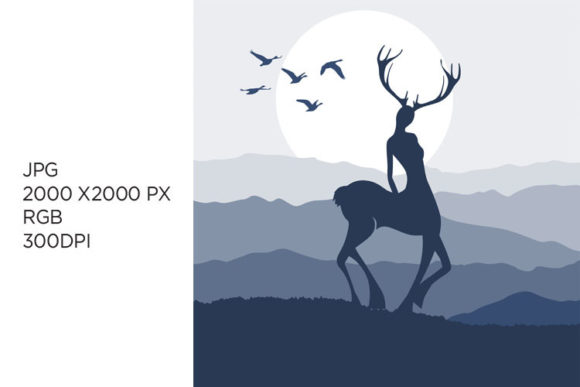
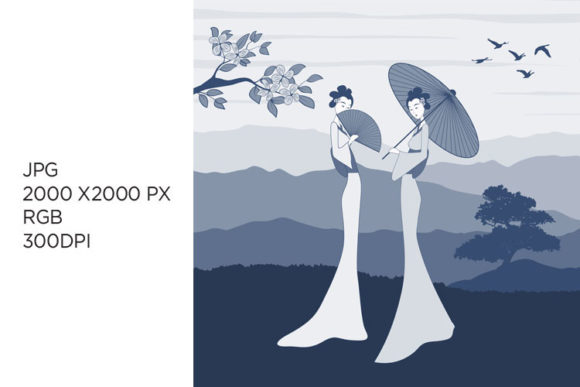
The size of 27.78x27.78 inches at 300 dpi ensures that JPG images maintain high quality when printed, making them ideal for a wide range of applications. This resolution and dimension are particularly useful for large-format prints, such as posters, banners, and decorative pieces that require clarity and detail. When paired with an RGB color palette, these images can bring vibrant, lifelike visuals to life, enhancing the overall impact of any project.
Why JAPAN Matters in Design and Creativity
Japan's influence on global design is undeniable. From minimalist layouts to intricate patterns, Japanese aesthetics have shaped everything from architecture to fashion. This cultural legacy is now more accessible than ever through digital graphics. By using JPG files that reflect Japanese themes, designers can easily integrate elements like cherry blossoms, calligraphy, and traditional motifs into their work.
For professionals in fields such as graphic design, marketing, and web development, incorporating Japanese elements can add a unique touch that resonates with audiences. It also allows for the creation of culturally relevant content that appeals to both local and international markets. Whether it's a logo for a business targeting Japanese consumers or a website layout inspired by traditional design principles, the right visual assets can make a significant difference.
Handmade craft items and stationery also benefit from the use of high-quality JPG images. Artists and makers can print these files onto paper, fabric, or other materials to create custom products that stand out. Invitations, greeting cards, and announcements can be elevated with Japanese-inspired designs, offering a personal and artistic flair that sets them apart from mass-produced alternatives.
Trends and Changing Needs in Digital Design
As digital design continues to evolve, there is a growing demand for high-resolution, customizable graphics that can be used across multiple platforms. The rise of remote work, online education, and e-commerce has increased the need for visually engaging content that can be quickly produced and shared. JPG files, with their balance of quality and file size, are well-suited to meet these demands.
Modern workflows often involve collaboration between designers, developers, and clients who may be located in different parts of the world. The universal compatibility of JPGs makes them an efficient choice for sharing and editing digital assets. This is especially important for projects that require frequent revisions or input from multiple stakeholders.
Consumer expectations are also shifting. Today's audiences seek content that is not only functional but also aesthetically pleasing. High-resolution JPGs allow for the creation of visually striking designs that capture attention and convey a sense of quality. This is particularly true for industries such as hospitality, retail, and entertainment, where first impressions matter.
Practical Implications for Creators and Businesses
For independent creators and small businesses, the ability to access and use high-quality JPG files can be a game-changer. These images provide a cost-effective way to enhance branding, marketing materials, and product packaging without the need for expensive design services. By leveraging pre-made graphics, entrepreneurs can focus on other aspects of their business while still maintaining a professional appearance.
Web designers and developers can also benefit from using JPG files in their projects. Whether it's optimizing page load times or ensuring that images look sharp on all devices, the right format can make a big difference. For example, a website featuring Japanese-themed visuals can attract a niche audience and improve user engagement through its unique aesthetic.
Printed materials, such as brochures, flyers, and posters, also rely on high-quality JPGs to deliver clear and compelling messages. The 27.78x27.78 inch size at 300 dpi ensures that these prints retain their visual integrity, even when viewed up close. This is especially important for businesses that use printed materials as part of their marketing strategy.
Examples and Recommendations for Using JPG Files
Consider the following examples of how JPG files can be used in practice:
- Wall Art: High-resolution JPGs can be printed as large-scale artwork to decorate homes, offices, or public spaces. Japanese landscapes, calligraphy, and traditional patterns can add a sense of calm and sophistication to any environment.
- Handmade Crafts: Artists can use JPG images as templates for creating custom items such as origami, fabric prints, or ceramic designs. The versatility of the format allows for easy modification and customization.
- Stationery and Invitations: Personalized stationery, including thank-you cards and wedding invitations, can be enhanced with Japanese-inspired graphics. These designs can reflect the cultural significance of the event while adding a unique touch.
- Party Decor: Event planners can use JPG files to create themed decorations for parties, festivals, or cultural celebrations. From banners to table settings, these visuals can help set the tone for any occasion.
- Graphic and Web Design: Websites and digital campaigns can incorporate Japanese elements to create a distinctive brand identity. This approach can resonate with audiences who appreciate the blend of tradition and modernity.
When selecting JPG files, it's important to consider factors such as resolution, color accuracy, and copyright permissions. High-quality images that are properly formatted will ensure that your final product looks professional and polished. Additionally, choosing images that align with your project's goals and audience can enhance the overall impact of your work.
Looking Ahead: The Future of Digital Design with JAPAN
As technology advances and design trends continue to shift, the role of digital graphics in creative and professional contexts will only grow. The integration of Japanese aesthetics into digital media offers a unique opportunity to connect with diverse audiences and express cultural values through visual storytelling.
For those looking to stay ahead of the curve, exploring the potential of JPG files and Japanese design elements can provide a competitive edge. Whether you're a designer, marketer, or entrepreneur, embracing these tools can lead to innovative solutions and fresh perspectives.
Ultimately, the combination of JAPAN and JPG represents more than just a trend—it's a reflection of the evolving relationship between culture, technology, and creativity. By understanding and utilizing these resources effectively, individuals and businesses can create meaningful and impactful work that resonates with today's dynamic market.