Zodiac Sign
The Zodiac Sign is a system that divides the year into twelve equal parts, each associated with a specific symbol and set of characteristics. Originating from ancient astrology, the zodiac is based on the position of the sun at the time of a person's birth. Each sign is believed to influence personality traits, behavior, and even destiny. Today, the zodiac remains a popular topic for those interested in self-discovery, personal growth, and creative expression.
For many, the zodiac offers a framework for understanding themselves and others. It can be a fun way to explore individuality, connect with others, and gain insights into relationships. The symbols and themes associated with each sign are also widely used in art, design, and culture, making them a versatile element for creative projects.
Why People Might Be Interested in Zodiac Sign
People may be drawn to the zodiac for various reasons. Some seek a deeper understanding of their own personalities, while others enjoy using it as a tool for self-reflection or entertainment. The zodiac can also serve as a conversation starter, helping individuals connect with others who share similar signs or interests.
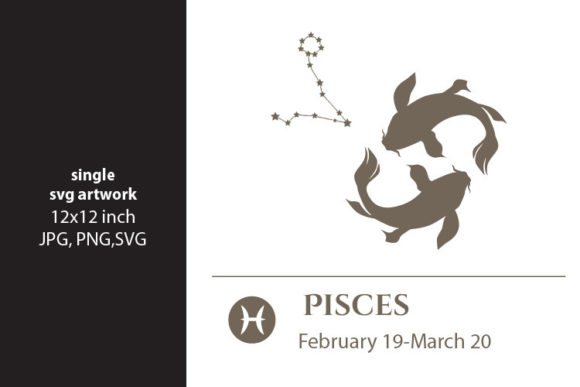
Additionally, the visual elements associated with the zodiac—such as the symbols, colors, and imagery—are often used in design work. This makes the zodiac an appealing choice for artists, designers, and creators looking for inspiration or a unique aesthetic to incorporate into their projects.
Benefits of Using Zodiac Sign in Creative Projects
One of the main benefits of using zodiac signs in creative work is their universal appeal. The zodiac is recognized across cultures and is familiar to many people, making it an accessible and relatable concept. This can help engage audiences and create a sense of connection.
The versatility of zodiac symbols allows them to be adapted for a wide range of applications. Whether designing a logo, creating wall art, or developing stationery, the zodiac provides a strong visual foundation that can be customized to suit different styles and purposes.
Moreover, the zodiac’s symbolic nature can add depth and meaning to a project. For example, a designer might use a specific sign to represent a client’s personality or to convey a particular message. This can make the design more meaningful and memorable.
Considerations and Tradeoffs
While the zodiac offers many advantages, it is important to consider its limitations. The zodiac is not a scientific system and should not be used as a basis for making important life decisions. It is best viewed as a cultural and artistic tool rather than a definitive guide to personality or fate.
Another consideration is the potential for overuse. Because the zodiac is so widely recognized, it can sometimes feel cliché or unoriginal if not approached creatively. Designers and artists must find fresh ways to incorporate zodiac elements without relying on common tropes or stereotypes.
Additionally, the zodiac may not resonate with everyone. Some individuals may prefer more personalized or alternative approaches to self-expression. In such cases, other systems—such as numerology, horoscopes, or personality assessments—may be more suitable.
Situations Where Zodiac Sign Is a Strong Fit
The zodiac is particularly well-suited for projects that aim to connect with a broad audience. For example, a designer creating a line of greeting cards or party decorations might use zodiac symbols to appeal to a wide range of customers. The familiar imagery can help build trust and recognition.
It is also a good fit for projects that emphasize symbolism and storytelling. A mural, a book cover, or a website design that incorporates zodiac elements can add layers of meaning and visual interest. This can enhance the overall impact of the work and make it more engaging.
For those working in the fields of graphic design, branding, or marketing, the zodiac can be a useful tool for creating cohesive and thematic campaigns. By aligning visual elements with specific signs, designers can craft a more compelling and unified message.
Situations Where Alternatives May Be Worth Considering
In some cases, alternatives to the zodiac may be more appropriate. For instance, if a project requires a more personalized or data-driven approach, other systems—such as personality tests, psychological assessments, or cultural symbols—might offer greater value.
Additionally, if the goal is to create something highly original or unconventional, the zodiac may not be the best choice. Designers seeking to stand out may need to explore less traditional concepts or combine the zodiac with other elements to create a unique identity.
It is also worth considering the target audience. If the intended users are unfamiliar with the zodiac or do not relate to its symbols, alternative themes or motifs may be more effective. Understanding the preferences and expectations of the audience is key to making the right creative choices.
Practical Decision-Making Insights
When deciding whether to use the zodiac in a project, it is important to ask a few key questions. What is the purpose of the project? Who is the target audience? How will the zodiac elements contribute to the overall message or design?
Designers should also consider how the zodiac will be integrated into the work. Will it be used as a central theme, or will it play a more subtle role? The answer to this question will influence the level of detail, complexity, and creativity required.
Finally, it is helpful to evaluate the availability of resources. The zodiac’s visual elements—such as symbols, colors, and patterns—are widely available, but creating custom designs may require specialized tools and skills. Ensuring access to the right software and assets is essential for a successful outcome.
By carefully evaluating these factors, individuals and professionals can determine whether the zodiac is the right choice for their needs. Whether used as a source of inspiration, a design element, or a cultural reference, the zodiac offers a rich and flexible foundation for creative exploration.